
- How Is Expanded Metal Mesh Manufactured?
- A. Cutting and Stretching Process
- B. Pattern Types
- C. Material Options
- What Are the Key Advantages of Expanded Metal?
- A. Strength-to-Weight Ratio
- B. Cost-Effectiveness
- C. Slip-Resistant Surface
- Where Is Expanded Metal Mesh Commonly Used?
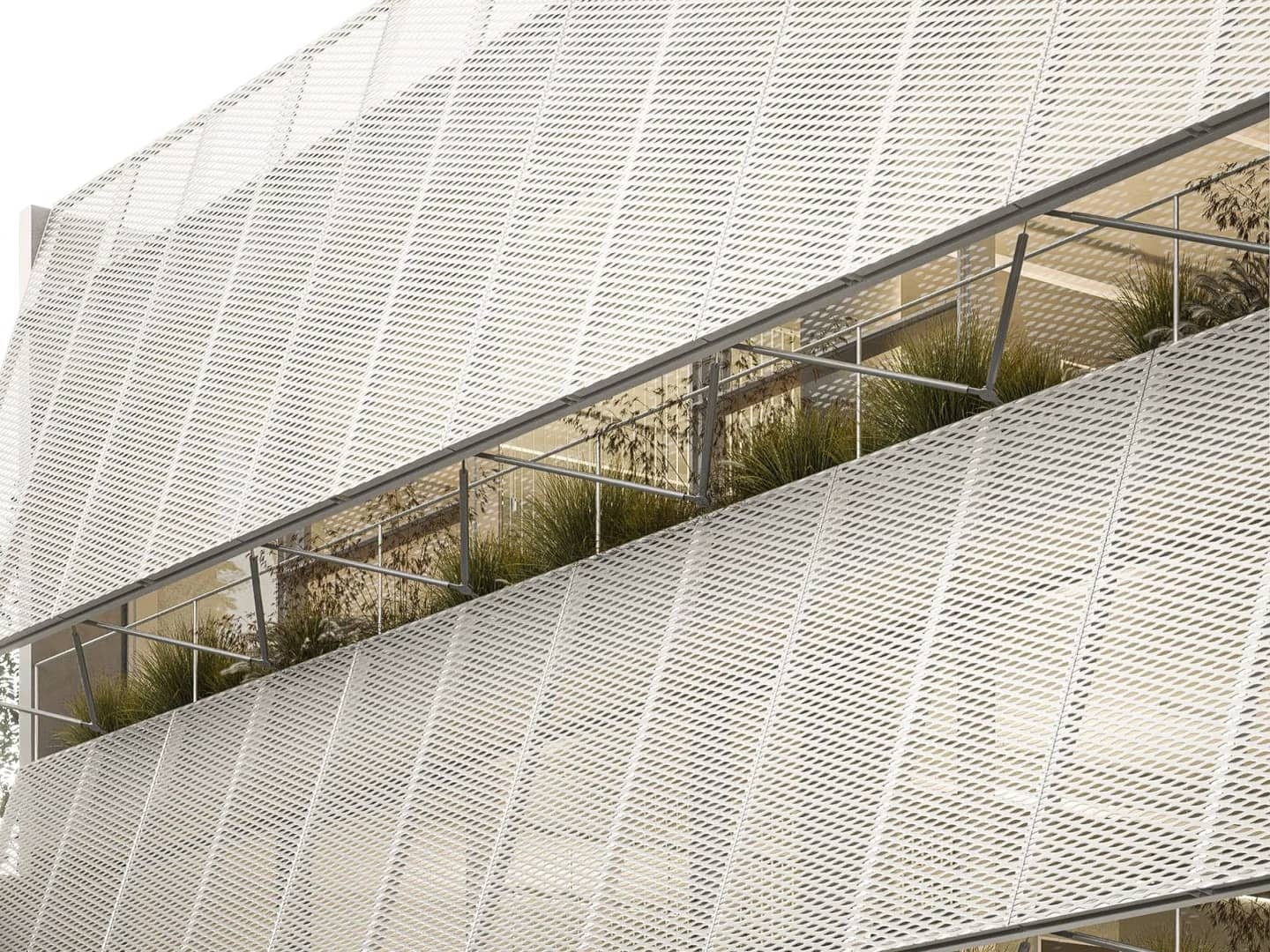
- A. Architectural Facades
- B. Industrial Platforms
- C. Security Fencing
- D. Decorative Mesh Panels
- How Does Expanded Metal Differ from Perforated Sheet and Wire Mesh?
- A. Manufacturing Process
- B. Structural Strength
- C. Application Suitability
- FAQs about Expanded Metal Uses and Finishes
- Summary Durable, affordable, sustainable expanded metal mesh
Expanded metal mesh represents a versatile and strong material for construction and safety. Such a product starts as a single metal sheet and transforms into a mesh through a clever stretching process. Builders choose it because it offers high durability at a low price point. The mesh protects workers on floors and adds beauty to modern city buildings.
How Is Expanded Metal Mesh Manufactured?
The creation of expanded metal is a brilliant example of efficient modern engineering. Specialized machines transform a heavy metal coil into a light, open mesh without generating any scrap material.
The process relies on a heavy industrial press equipped with sharp blades. A solid metal sheet enters the machine and undergoes a simultaneous slitting and stretching action. As the blades create small cuts, the machine pulls the metal apart perpendicular to those slits. Such a method results in a continuous piece of metal with uniform, interconnected diamond openings.
The final product possesses a mechanical bond that is part of the original sheet. No separate wires are woven together, and no parts are welded. Because the material stays as one solid unit, it remains stable even if a single strand gets cut. That structural integrity is the main reason why engineers trust it for heavy-duty tasks.
A. Cutting and Stretching Process
Manufacturing expanded metal relies on a technique that yields more material than the original input. Industrial blades move in a staggered pattern to create rows of precise openings.
The machine stretches the metal to expand the slits into a three-dimensional pattern. Such an action increases the surface area of the sheet significantly. The metal grows in length but keeps its original mass and weight. That high yield lowers the cost of the final product for every construction project.
List of manufacturing stages:
- Feeding a solid metal coil into the expansion press.
- Creating staggered slits using a sharp upper blade.
- Pulling the metal to form a three-dimensional diamond shape.
- Rolling the mesh flat for specific decorative applications.
- Cutting the finished mesh into standard architectural panels.
B. Pattern Types
Choosing different patterns allows the mesh to serve specific goals in safety and design. Variations in the pattern change how air, light, and weight move through the panel.
Diamonds are the standard shape because they distribute weight well across the entire surface. Hexagon shapes create a modern look and offer more open space for airflow. Standard raised patterns provide a textured surface for better grip on walkways. Flattened patterns provide a smooth feel for interior walls and office furniture.
Common patterns:
- Standard raised diamond for maximum grip on industrial stairs.
- Flattened smooth diamond for office room dividers.
- Large hexagon shapes for high-airflow ventilation systems.
- Designer patterns for unique building art and facades.
- Micro-mesh holes for high-precision filters and machine parts.
The choice of pattern determines the "Short Way of Diamond" (SWD) and "Long Way of Diamond" (LWD). These measurements help engineers pick the right density for the job. Tight patterns offer more strength, while wide patterns offer better visibility.
C. Material Options
Selecting the right alloy helps the mesh survive for decades in its specific environment. Different metals provide unique benefits for weight, price, and rust protection.
Carbon steel offers a strong and cheap choice for large industrial floors. Aluminum is a favorite for tall buildings because it stays light and never rusts. Stainless steel handles food labs and chemical plants safely without corroding. Galvanized steel uses a thick zinc coat to stop rust in rainy outdoor spots.
| Metal Type | Main Strength | Common Use Case | Standard |
| Carbon Steel | High Durability | Industrial Catwalks | ASTM A1011 |
| Aluminum | Low Weight | Building Facades | ASTM B209 |
| Stainless Steel | Rust Proof | Food Processing | ASTM A240 |
| Galvanized Steel | Weather Proof | Security Fences | ASTM A653 |
The table shows that steel provides the most power for heavy industrial paths. Aluminum is better for decorative screens and light wall panels. Each material serves a specific goal for the architect or site manager.
What Are the Key Advantages of Expanded Metal?
Expanded metal mesh is a top material because it provides amazing strength without the weight of solid plates. Such a product is easier to handle and install than heavy steel sheets.
A. Strength-to-Weight Ratio
Expanded metal mesh supports heavy loads while remaining light enough for easy transport. The diamond shapes act like small trusses that distribute weight across the entire sheet.
The one-piece construction distributes stress evenly through the interconnected strands. When a person walks on the mesh, the pressure spreads through the diamonds. Such a design creates a floor that holds steady even under extreme force. Builders save energy during the installation phase because the panels are light and easy to move.
B. Cost-Effectiveness
Purchasing expanded metal saves money for every construction company in the industry. The factory creates zero scrap metal during production, which keeps the raw material price low.
Through the stretching process, one small roll of steel grows into a massive surface area. That means a builder can cover a large security fence with very little raw metal. The material is often the cheapest choice for long-distance barriers.
Financial benefits:
- Lower material costs through zero-waste production.
- Reduced shipping fees because the panels are lightweight.
- Faster installation times that cut down on labor costs.
- Durable surfaces that need almost no repairs over time.
- High resale value since the metal is fully recyclable.
Shipping costs stay low because the product consists of many open holes. Workers can lift the panels without expensive cranes or heavy gear. Such speed allows a project to finish much faster than using solid steel plates.
C. Slip-Resistant Surface
Raised expanded metal prevents accidents in wet or oily factory areas. The strands sit at an angle to the surface, which creates a rough texture for boots to grab.
Water, snow, and grease fall through the holes, so the walking path stays clear. Such natural drainage is essential for outdoor stairs and oil rig platforms. Workers feel safe even during the worst rainstorms or winter weather.
| Surface Type | Traction Level | Best Location | Comfort |
| Raised Mesh | Excellent | Outdoor Ramps | High Grip |
| Flat Mesh | Moderate | Indoor Shelving | Smooth Touch |
| Heavy Grating | Maximum | Factory Walkways | Industrial |
Raised mesh is the king of safety in the workplace. It provides natural traction without the need for extra grit coatings. That helps companies follow safety rules and protect their employees from falls.
Where Is Expanded Metal Mesh Commonly Used?
Expanded metal appears in busy cities and quiet factories for protection and beauty. It serves as a shield for machines and a skin for modern buildings.
A. Architectural Facades
Architects love using aluminum mesh to create cool shadows on building walls. The mesh blocks hot sun rays, which keeps the rooms inside much cooler during summer.
Air moves through the panels freely, so the building breathes better. Such natural ventilation reduces the reliance on expensive air conditioning units. The material transforms a plain building into a landmark of modern design.
List of facade benefits:
- Lower Solar Heat Gain Coefficient (SHGC) for energy savings.
- Protection for windows against flying debris or birds.
- Privacy for people inside without blocking the outside view.
- Dynamic light effects that change throughout the day.
B. Industrial Platforms
Factories use heavy-duty grating for safe walkways and maintenance paths. The one-piece construction guarantees the floor will never break or fall apart under a worker.
Open holes prevent dirt and grease from piling up on the surface. That keeps the floor clean and reduces the fire risk in industrial zones. The mesh is strong enough to hold heavy tools and machine parts.
C. Security Fencing
Prisons and airports use expanded metal to keep intruders away from restricted zones. The diamonds are too small for fingers to climb or for standard cutters to penetrate.
Guards can see through the fence easily to monitor the area for threats. The metal will not sag or bend like soft chain-link wires. It provides a permanent barrier that requires almost no maintenance over time.
High-security locations:
- Correctional centers and exercise yards.
- Airport runways and fuel storage tanks.
- Military bases and weapon warehouses.
- Data centers and electrical power plants.
- Bank vaults and secure money rooms.
D. Decorative Mesh Panels
Interior designers pick flattened mesh to build modern furniture and room dividers. The smooth surface protects users from sharp edges or scratches during daily use.
Delicate patterns create a high-tech vibe that fits modern office spaces perfectly. Different colors, like gold or silver, give the furniture a rich and unique look. Acoustic backing can be added to the mesh to keep a busy room quiet and peaceful.
How Does Expanded Metal Differ from Perforated Sheet and Wire Mesh?
Expanded metal provides the best value because it uses less material than other metal options. It is stronger than woven wire and cheaper than perforated steel.
A. Manufacturing Process
Stretching a sheet is a smarter way to build things than punching holes. Perforated metal factories throw away the small circles they punch out of the plate.
That waste increases the price of every perforated panel significantly. Expanded metal factories keep every bit of the original sheet during production. Such a process is much better for the environment and the project budget.
B. Structural Strength
Expanded metal will never unravel because it has no welds or separate wires. Woven wire can fall apart if one single strand breaks or snaps. Perforated sheets have many small holes that can leave the plate weak in certain spots.
The angled strands in expanded metal act like strong structural beams. That rigidity helps the mesh keep its shape even under heavyweight loads. It is a more reliable partner for tough construction jobs in harsh climates.
C. Application Suitability
Engineers pick expanded metal for jobs that need toughness and low weight. Perforated metal is better for very precise filtering tasks or fancy custom designs.
Wire mesh works well for soft screens or simple kitchen sieves. Expanded metal is the king for industrial safety and building protection. It offers the best balance of strength, airflow, and low cost for the modern market.
| Feature | Expanded Metal | Perforated Metal | Woven Wire |
| Metal Waste | Zero scrap | High scrap volume | Low waste |
| Strength | High one-piece | Moderate stability | Can fray |
| Price | Lowest price | Highest price | Medium price |
| Surface | 3D Textured | 2D Flat | 2D Rough |
Expanded metal provides the most value for your wallet. It handles tough weather and heavy feet without breaking. That makes it a favorite choice for contractors across the USA.
FAQs about Expanded Metal Uses and Finishes
1. Can Expanded Metal Be Painted or Coated?
Yes, the material takes powder coating and liquid paint very well. Those finishes protect the metal from rust and add beautiful colors to the design. PVDF coatings are a great pick for outdoor walls because they resist the hot sun for decades. Powder coating works best for indoor furniture and decorative panels.
2. Is Expanded Metal Suitable for Outdoor Use?
Expanded metal is a perfect choice for the outdoors. Galvanized steel and aluminum handle rain and snow without breaking or rusting. The mesh design allows the wind to pass through the fence safely. That stops the fence from blowing over during a big storm or hurricane.
3. Can Expanded Metal Be Used As Decorative Wall Panels?
Interior designers often use the mesh for creative wall art and screens. The diamond patterns create a high-tech look that fits modern homes and offices. It is a light and strong way to decorate a large space without adding heavy weight to the walls.
Summary Durable, affordable, sustainable expanded metal mesh
Expanded metal mesh provides a tough, cheap, and green solution for any building project. The material offers safety and beauty with zero environmental waste. For high-quality architectural facades and ceiling systems, trust the experts at ANSUS. Our team brings 30 years of metal heritage to help you create a landmark project. Visit us today to find the perfect patterns for your next design and request a quote.
Share:
3003/5052/6061 Aluminum Sheet Comparison: Bendability, Strength & Price
How to Plan MEP and Lighting Behind Metal Facades