
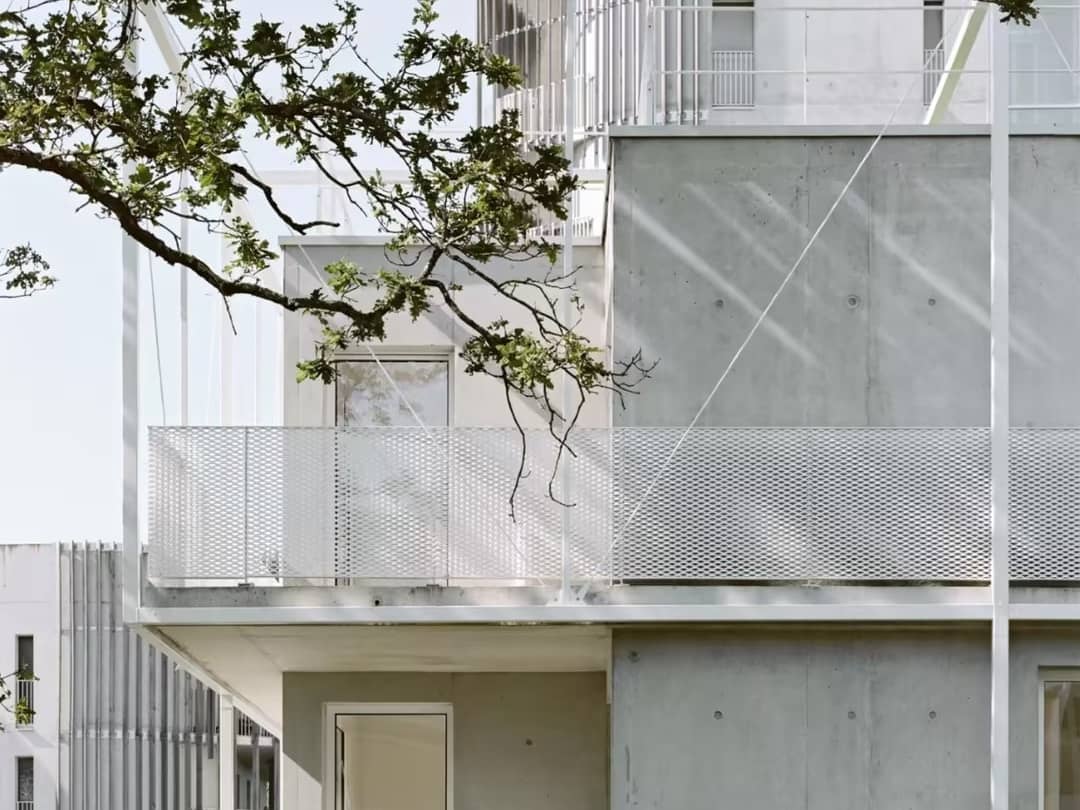
Expanded metal is a sheet product made by cutting and stretching a single piece of metal—no weaving, no welding. This unique manufacturing process creates a strong, lightweight material that's found everywhere from factory floors to modern building facades. Understanding the different types of expanded metal helps you pick the right product for your project, whether you need heavy-duty industrial grating or decorative architectural panels.
What Materials Are Used in Different Types of Expanded Metal Sheet?
The material you choose affects everything from strength to appearance. Most metal manufacturers offer expanded metal in several base materials, each with distinct advantages.
Steel Expanded Metal
Steel remains the workhorse of expanded metal products. It's affordable, readily available, and incredibly strong. You'll find steel expanded metal mesh panels on industrial walkways, machinery guards, and security fencing. The main drawback? It rusts without protection, so most steel expanded metal gets galvanized or powder-coated for outdoor use.
Aluminum Expanded Sheet
Aluminum expanded sheet has become increasingly popular, especially in architecture. It weighs about one-third as much as steel but still maintains good strength. The natural oxide layer on aluminum provides corrosion resistance without additional coating—perfect for coastal areas or humid climates. Many architects choose aluminum expanded sheet for building facades because it's easy to anodize in various colors and won't sag under its own weight on large installations.
For example, architectural suppliers like us, Ansus Metal, provide custom aluminum expanded panels for facades, ceilings, and sunscreens, matching metal alloys, colors, and panel modules to specific project requirements.
Stainless Steel Expanded Metal
When corrosion resistance is critical, stainless steel expanded metal delivers. Food processing plants, chemical facilities, and marine applications rely on stainless steel types like 304 or 316. Yes, it costs more upfront, but the long service life, often 20 years or more in appropriate environments, with minimal maintenance, makes it cost-effective for demanding environments. For high-end applications, PVD coatings can further enhance the durability and appearance of stainless steel mesh.
Other Metal Materials
Specialty projects sometimes call for copper, brass, or even titanium expanded metal. Copper develops an attractive patina over time and offers electromagnetic shielding properties. Titanium, while expensive, provides an unbeatable strength-to-weight ratio for aerospace or medical applications.
How Do Expanded Metal Mesh Panel Pattern Designs Differ?
The pattern affects both function and appearance. Most metal manufacturers offer standard patterns, but custom designs are increasingly common.
Standard Diamond Pattern
The classic diamond pattern dominates the market—you've probably seen it without realizing. This pattern provides balanced strength and open area, typically measured by SWD (short way of diamond), LWD (long way of diamond), and strand width. Common sizes range from small designs around 1/4" up to openings several inches long, with smaller patterns for filtration and larger ones for structural applications.
Decorative Patterns
Architectural expanded metal sheet goes beyond basic diamonds. Metal manufacturers now produce hexagonal, circular, and custom geometric patterns. Some facilities can even incorporate company logos or artistic designs into expanded metal mesh panels. These decorative options work well for interior partitions, ceiling tiles, and building facades where aesthetics matter as much as function.
Heavy-Duty Industrial Patterns
When load-bearing capacity is the priority, heavy-duty expanded metal features thicker strands and smaller openings. These panels handle foot traffic, equipment loads, and impact better than standard patterns. You'll find this type on platforms, stair treads, and heavy equipment guards.
Micro-Mesh Fine Patterns
On the opposite end, micro-mesh expanded metal uses very small diamonds—sometimes as tight as 1/8" LWD. This fine pattern works for precise filtration, insect screens, and delicate decorative work where you want texture without large openings.
What Types of Expanded Metal Have Different Surface Finishes?
Surface treatment dramatically changes how expanded metal performs and looks.
Standard (Raised Surface)
Right off the production line, expanded metal has a three-dimensional raised surface where the diamonds stick up. This texture provides excellent slip resistance, which is perfect for walkways and stair treads. The raised surface also adds rigidity to the sheet.
Flattened Expanded Metal Sheet
Flattening presses the raised diamonds into a single plane. The result is smoother, more suitable for architectural applications where you want a sleek appearance. Flattened aluminum expanded sheet is particularly popular for building facades because it presents a clean, modern look while maintaining the open pattern. This makes it a key component in modern metal curtain wall systems that prioritize sleek aesthetics.
Powder Coating
Powder coating adds color and corrosion protection. Modern powder coatings come in virtually any RAL color and provide a durable finish that resists chipping and fading. This treatment works on both steel and aluminum expanded metal sheets, making it versatile for outdoor furniture, architectural panels, and industrial equipment.
Anodizing (Aluminum Expanded Sheet)
Anodizing is an electrochemical process specific to aluminum that increases surface hardness and allows for color options like bronze, black, or champagne. Unlike paint, anodizing penetrates the metal surface, so it won't chip or peel. High-end architectural projects often specify anodized aluminum expanded sheet for its lasting beauty and durability.
Which Types of Expanded Metal Sheet Work for Different Applications?
Matching the right expanded metal type to your application ensures optimal performance.
Architectural and Decorative Uses
Modern buildings increasingly feature expanded metal mesh panels as sunscreens, facade cladding, and interior partitions. Flattened aluminum expanded sheet with anodized or powder-coated finishes dominates this space. The material provides privacy while allowing airflow and creating interesting light patterns. Weights typically range from 0.5 to 2 pounds per square foot, making installation straightforward.
Industrial Protection and Screening
Factories need durable guards around machinery, conveyors, and mezzanines. Standard raised steel expanded metal—usually galvanized—handles these jobs well. The open pattern maintains visibility for safety while preventing accidents. Heavy-duty patterns support equipment loads on platforms while allowing debris and liquids to fall through.
Security Applications
Security fencing, window guards, and warehouse partitions often use 9-gauge or heavier expanded metal. The diamond pattern makes cutting through difficult without creating obvious damage. Galvanized or stainless steel options ensure long service life outdoors.
Ventilation and Filtration
HVAC systems, industrial air handlers, and equipment enclosures need airflow. Aluminum expanded sheet works well here because it won't rust from moisture exposure. Micro-mesh patterns can filter larger particles while maintaining good air movement. For grease-laden environments like commercial kitchens, stainless steel expanded metal handles the cleaning chemicals and high temperatures.
FAQs
Q1. Can I Get Custom Sizes From a Metal Manufacturer?
Most metal manufacturers stock standard sheets like 4'×8' or 5'×10', but custom sizing is widely available. You can typically order specific dimensions up to the width of the manufacturing equipment (many production lines handle sheet widths around 4–6 feet, with some capable of wider panels depending on the mill). Length is more flexible, often available up to around 10–12 feet for stock and custom sheets, subject to handling and shipping limits. Custom patterns, materials, and hole sizes usually require minimum order quantities, which vary by supplier and are often based on total square footage or full-sheet batches rather than a single panel. Lead times for custom expanded metal sheet can run from several days to a few weeks, depending on complexity and mill capacity. When planning a project, request samples first—seeing and handling the actual material helps confirm it meets your expectations before committing to a large order.
Q2. How Much Does Aluminum Expanded Sheet Cost Compared to Steel?
Aluminum expanded sheet typically commands a higher price per pound and per square foot than comparable carbon steel expanded metal, with the exact difference changing over time with metal market conditions and coatings used on steel. However, this comparison misses the bigger picture. Aluminum's lighter weight reduces shipping costs and installation labor—especially on large architectural projects. You also eliminate the need for galvanizing or powder coating in most outdoor applications since aluminum naturally resists corrosion. Over the long term, aluminum often proves more economical than coated steel when you factor in maintenance and replacement costs. For projects where appearance matters—like building facades—aluminum's anodizing options add value that steel can't match at any price.
Q3. What’s the Difference Between Expanded Metal and Perforated Metal?
The main difference is how they are made. Expanded metal is cut and stretched from a single sheet, creating a strong, continuous diamond pattern with almost no waste. This makes it stronger and more cost-effective. Perforated metal is made by punching holes into a sheet, which removes material and creates scrap. While this offers more pattern variety (like circles and squares), it reduces the material's structural integrity. Choose expanded metal for strength and economy. Choose perforated metal for specific decorative hole patterns. A deeper comparison of perforated vs. expanded sheets is crucial for facade projects.
Conclusion
Finding the right expanded metal type comes down to matching material, pattern, and finish to your specific needs. Whether you need an aluminum expanded sheet for a modern building facade or heavy-duty steel grating for an industrial platform, understanding these options helps you make smart decisions. Ready to start your project? Contact a reputable metal manufacturer with your requirements—most offer free samples and technical support to ensure you get exactly what you need.
If you are planning an architectural facade, ceiling, or screen, consider consulting us Ansus Metal, for concept support, samples, and pricing. A dedicated architectural metal partner can translate your design intent into practical expanded metal solutions, while our team handles the engineering and production details so you get exactly what you need.
Share:
The Process of Making Perforated Metal
Woven Wire Mesh vs. Welded Wire Mesh: What's Right for You?