
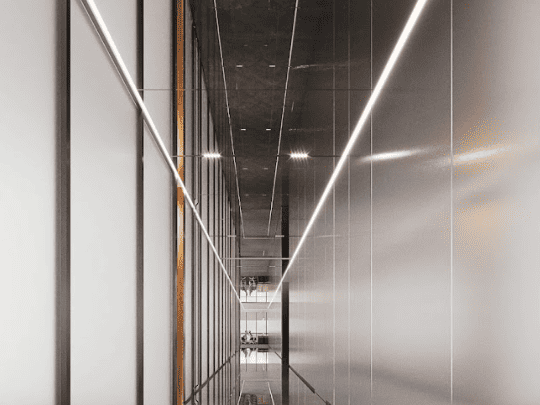
For metal building decorative materials, the best long-term strategy is very simple: gentle washing with neutral cleaners, soft tools, and a basic protection plan. Done on a regular schedule, this slows corrosion, keeps stains from setting in, and helps façades hold their finish for many years.
Why Do Building Decorative Materials Need Metal Cleaning?
Metal looks tough, but finishes on building decorative materials are thin engineered layers. Regular cleaning breaks this film and lets water drain and dry instead of sitting on the skin of the building.
Common Metal Types In Building Decorative Materials
Typical systems include:
- Painted steel or aluminum cladding (often PVDF or polyester coating)
- Stainless steel trims, rails, and panels
- Anodized aluminum window frames and profiles
Each type reacts differently to chemicals and abrasion. Painted panels can chalk if cleaned with harsh products. Stainless steel can tea-stain in marine air. Anodized aluminum is tough mechanically but sensitive to strong alkalis. Knowing which you have is step one before choosing tools and cleaners.
Typical Surface Finishes And Coatings
On façades, you’ll often see gloss or matte coatings, brushed or polished stainless, and fine textures that trap dirt.
These finishes are only microns thick. Once scratched or etched, they collect more grime and are harder to restore. That is why most coating suppliers insist on non-abrasive tools and mild cleaners only.
Outdoor Pollutants And Stains
The main enemies are:
- Traffic film, soot, and oily dust in cities
- Sea salt and de-icing salt near coasts and highways
- Pollen, dust, and organic growth in warm, humid climates
Left in place, these deposits cause streaks, spotting, and local corrosion, especially at drips and ledges.
Climate-Related Corrosion Risks
Guides for stainless steel and coated façades often warn that coastal and industrial zones need more frequent washing. A common rule of thumb: wash stainless steel whenever the windows need washing, and more often near the sea. That same logic works well for other exposed metal building decorative materials.
How Should Building Decorative Materials Be Cleaned In Routine Work?
Most façades do not need aggressive chemicals or high pressure. A gentle approach is easier on finishes and usually fits well into existing window-washing or exterior cleaning cycles.
Regular Dust And Film Cleaning
Start by removing loose dirt:
- Soft brushing or dry wiping on lower areas
- Pre-rinsing façades from top to bottom with clean water
This prevents grit from turning into sandpaper when you wash with detergent. On high-rise buildings, this step is often combined with window rinsing in the same swing stage visit.
Neutral Detergent And Gentle Rinsing
Most coating and cladding makers recommend pH-neutral or slightly pH-mild detergents (roughly pH 5–8) in warm water.
Typical routine:
- Mix a small amount of neutral detergent into a bucket of warm water.
- Apply with a sponge, microfiber cloth, or soft brush.
- Work in small sections from top to bottom.
- Rinse thoroughly with clean water so no soap film dries on the surface.
Avoid high-pressure nozzles close to panel joints and seals; they can drive water into the wall build-up.
Soft Cloths And Non-Abrasive Pads
Use soft cloths, microfiber, or soft-bristle brushes. Skip steel wool, scouring pads, and melamine sponges, which can scratch metal and make it more prone to staining later.
For heavier soiling, let the detergent sit a bit longer and make repeated gentle passes. It is better to wash twice gently than once aggressively.
Facade Cleaning Frequency Plan
A practical starting point for metal building decorative materials:
- Normal urban/suburban: full wash once or twice per year
- Coastal or heavy traffic: two to four times per year on exposed faces
Many stainless and aluminum guides simply say: if the windows need washing, the metal needs washing too. Align cycles so that access gear and labor are used efficiently.
Which Cleaners Are Safe For Metal Building Decorative Materials?
The safest cleaners are usually the least dramatic. If a product promises instant results on concrete or masonry, it likely does not belong on painted or anodized metal.
Neutral PH Cleaners And Mild Surfactants
Industry recommendations for coated façades and anodized aluminum consistently point to:
- Neutral pH soaps and detergents, often 5–8 on the pH scale
- Chlorine-free formulas labeled safe for aluminum and painted surfaces
These lift dirt and traffic film without etching or dulling the finish.
Avoiding Strong Acids, Alkalis, And Chlorides
Avoid strong acids, caustic alkalis, and chlorine bleach unless a specialist and the manufacturer both sign off. These can:
- Etch anodized aluminum
- Pit stainless steel
- Damage sealants and gaskets
- Strip gloss from coil coatings
When in doubt, read the safety data sheet and coating warranty. If the product is sold for concrete removal or heavy industrial degreasing, keep it off your façade.
Local Rust And Stain Treatment
For tea staining or local marks on stainless steel, manufacturer bulletins often suggest mild detergent first, then dedicated stainless cleaners where needed, always following the grain and rinsing well. Advanced treatments like PVD coatings can significantly enhance the durability and appearance of stainless steel mesh.
Painted steel or aluminum may allow specific approved cleaners for chalk or black streaks; these should always be tested in a hidden area first.
Coating And Sealant Compatibility Check
Before buying cleaners in bulk, check:
- Panel and coating data sheets
- Sealant manufacturer guidance
- Project or warranty documents
This small step avoids using a cleaner that voids long-term finish warranties or softens critical sealant joints.
Example Cleaner Selection Table
| Metal Type / Finish | Typical Safe Cleaner | Use Notes |
| Painted Steel or Aluminum Panels | Diluted neutral detergent + water | Rinse well; avoid bleach and strong alkalis. |
| Stainless Steel (Brushed Or Polished) | Mild detergent; stainless cleaner for stains | Follow grain; avoid chlorides and harsh abrasives. |
| Anodized Aluminum Profiles And Trims | Neutral pH detergent + water | Avoid strong alkalis; test any specialty cleaner first. |
Safe cleaners for metal building decorative materials are neutral, dilute, and boring. If a label screams “heavy-duty acid” or “industrial caustic,” it belongs far away from your façade.
How Can Building Decorative Materials Be Protected After Cleaning?
Cleaning gets the surface back to a healthy baseline. A few simple protection steps help keep it that way and stretch repainting or replacement cycles.
Protective Wax And Clear Sealers
On some coated metals, compatible clear sealers or waxes can improve water beading and make future cleaning easier. These should only be used if the coating supplier confirms they are safe; the wrong product can trap dirt or react with the finish.
Joints, Edges, And Fasteners Protection
During cleaning, it is easy to spot:
- Rusting or damaged fasteners
- Peeling sealant at joints
- Exposed cut edges
Touch-up and replacement here matter more than polishing big flat areas, because most corrosion starts at these weak points.
Drainage Design And Water Management
Watch how rinse water and rainwater move over the surface:
- Keep gutters and weep holes clear
- Avoid constant runoff from more aggressive metals onto light-colored panels
Good drainage reduces the time metal stays wet and lowers both corrosion and staining.
Inspection Checklist And Maintenance Log
A short log with dates, products used, and any issues you saw is usually enough. It helps you fine-tune cleaning frequency, brief new staff, and show coating suppliers that the building's decorative materials have been looked after if you ever need support.
FAQs
Q1. How Should We Budget Maintenance For Metal Building Decorative Materials Over Time?
A useful approach is to treat metal surfaces like windows: plan for regular light cleaning and reserve a small allowance for occasional spot repairs. Start with an annual or twice-yearly wash in the operating budget instead of waiting for visible staining or corrosion. Include access costs, water, detergent, and a bit of labor for inspections and minor touch-ups. Once you track a full year or two of actual effort and results, adjust the cycle—some elevations may need less, some may need more.
Q2. Do Staff Need Special Training Before Cleaning Metal Building Decorative Materials?
Yes, at least a short, focused briefing helps. Teams should know which metals and finishes they are dealing with, which cleaners are approved, and which tools are banned, like abrasive pads or bleach. They also need basic safety: working at height, managing run-off, and protecting nearby materials such as glass, stone, or landscaping. A simple one-page method statement plus a quick demo on a test area usually gives staff enough confidence to clean effectively without damaging the façade.
Q3. Can We Combine Metal Cleaning With Other Exterior Tasks To Save Time?
Often you can. Many facilities pair metal cleaning with window washing, sealant inspections, or gutter maintenance so that lift equipment and crews are used in one pass. The key is planning for the right order of work—for example, clearing gutters and rinsing upper levels before doing final detail cleaning on lower cladding. When combining tasks, make sure products used for masonry or glass will not overspray onto sensitive metal building decorative materials, or mask off those areas first.
Conclusion
If you manage metal building decorative materials, turn this into a simple checklist: identify your metals, choose neutral cleaners, set a realistic wash cycle, and add quick inspections for joints and drainage. Start with one façade this season, refine what works, and then roll the same clean, gentle routine across the rest of your buildings.
And if you are still selecting façade systems, consider partnering with Ansusmetal so your cladding, decorative metal panels, and maintenance guidance come from one experienced source—making both day-one installation and long-term cleaning much easier to manage.
Share:
Stainless Steel Feature Walls: Design Trends and Surface Treatments
Cleaning And Maintenance Guide For Metal Interior Wall Panels