
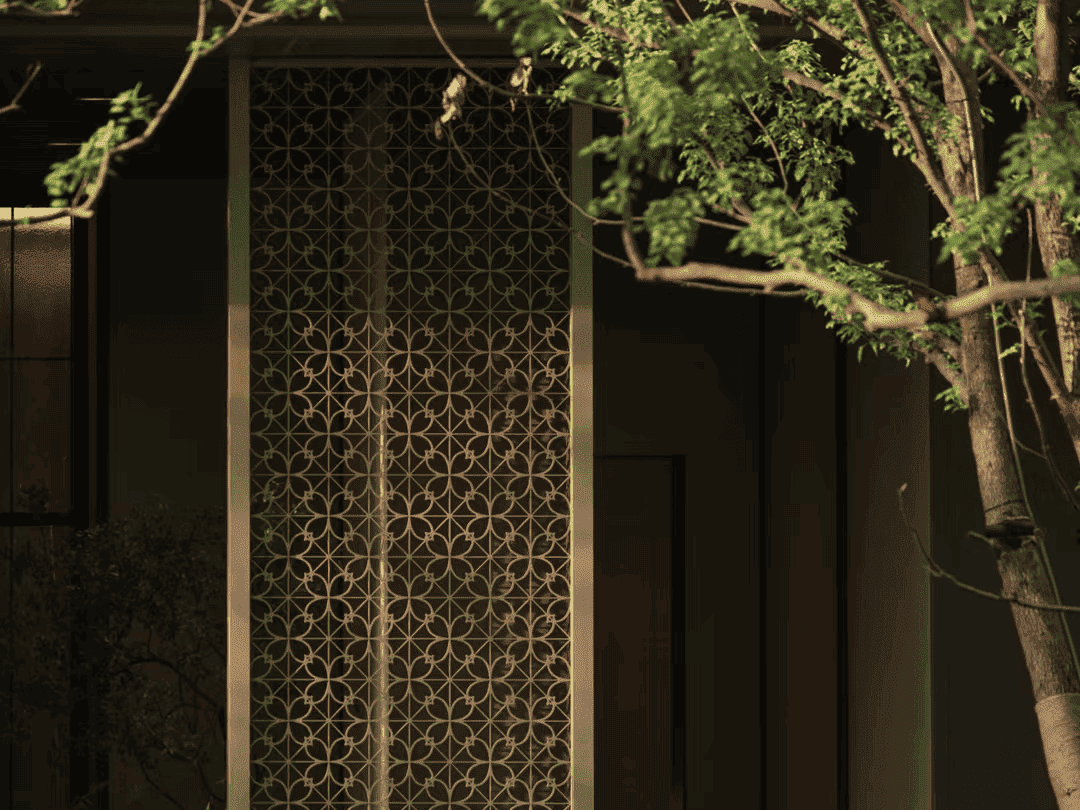
When choosing decorative metal mesh screens, you're dealing with two essential questions: will this keep people safe, and does it look good? Modern decorative metal mesh screen panels deliver both protection and visual appeal when you understand what to look for. This guide breaks down everything you need to make smart decisions.
What Are Decorative Metal Mesh Screens and Why Do Both Safety and Style Matter?
Let's start with the basics, so we're all on the same page.
Basic Definition of Decorative Metal Mesh Screens
A decorative metal screen mesh is a barrier made from metal that's been shaped, woven, or perforated into patterns. Unlike plain chain-link fencing or basic safety barriers, these screens serve two purposes at once. They provide physical protection while adding architectural interest to a space.
Dual Purpose of Function and Beauty
Metal screen mesh needs to work hard.
- On the functional side, these screens prevent falls, control access, provide privacy, and allow airflow.
- On the design side, they define spaces, filter light, create shadows, and become focal points in architecture.
The best installations do all of this simultaneously without compromising either aspect.
Common Application Overview
Walk around any modern city, and you'll spot decorative metal mesh screen panels everywhere.
- Apartment balconies use them for safety railings that don't block views.
- Office buildings install them as sunshades that reduce heat while looking sleek.
- Parking structures hide their utilitarian purpose behind patterned screens.
- Residential homes use them for deck railings, stair guards, and privacy fences.
If you’re looking for real-world inspiration, Ansus Metal builds architectural solutions across facades, railings, and metal screens—so the same “safe + stylish” idea shows up in both interiors and exteriors.
Why Safety Standards Are Important
Building codes exist because people have gotten hurt when screens failed. A decorative metal screen mesh might look amazing, but if it can't handle the required loads or if the openings are too large, it becomes a liability.
According to the International Building Code, guards and railings must withstand specific forces, typically a 200-pound concentrated load (and a 50 pounds-per-linear-foot load along the top rail).
These standards give you a baseline. Start there, then add your design preferences on top of that foundation.
How to Balance Safety and Aesthetics in Pattern Design?
The pattern you choose for your decorative metal mesh screens has the biggest impact on how well you balance protection with appearance.
Safety Considerations for Opening Sizes
The size of holes in your metal screen mesh directly affects safety. Building codes in most areas require that openings in guards be small enough that a 4-inch sphere cannot pass through.
This prevents small children from slipping through or getting their heads stuck. Before you fall in love with a wide-spaced pattern, check your local codes.
Variety in Weaving Patterns
Woven decorative metal mesh screen panels come in dozens of patterns. You've got basic square weaves, which look clean and modern.
- Dutch weaves create tighter meshes with smaller openings.
- Twill weaves add diagonal visual interest.
- Cable weaves make bold statements.
Each weaving style changes both the strength characteristics and the visual texture. Tighter weaves generally offer more privacy and smaller openings, while looser weaves provide better airflow and visibility.
Custom Pattern Possibilities
One of the coolest things about modern metal screen mesh is that you can create almost any pattern you want. Laser cutting and CNC technology make custom designs feasible even for smaller projects. You could incorporate geometric patterns that complement your architecture or design organic shapes inspired by nature. The catch is that you still need to maintain structural integrity and meet safety codes. Work with fabricators who understand how pattern choices affect strength.
For example, Ansus Metal’s decorative screen lineup includes laser-cut, perforated, and expanded-metal formats—so you can keep the look custom without sacrificing a panel-based, fabrication-friendly build.
Balancing Transparency and Privacy
This is where you really see the tension between different goals.
- More open decorative metal screen mesh lets in light and maintains views but offers less privacy.
- Denser patterns give you privacy and often appear more solid and protective, but they can make spaces feel closed in.
Think about the specific location and its needs.
- A pool fence might prioritize visibility so you can supervise swimmers.
- A patio screen might lean toward privacy from neighbors.
Map out what matters most for each application, then select patterns that emphasize those priorities.
Where Should You Put Safety First Over Style?
Some situations demand that safety takes the lead in your decision-making, even if it means making aesthetic compromises.
Balcony and Railing Protection
Balconies represent serious fall hazards, especially in multi-story buildings. Here, your decorative metal mesh screen panels must meet strict height requirements, typically 42 inches minimum in many commercial and multifamily settings.
The mesh needs to handle both vertical loads from people leaning on it and horizontal forces from impacts. While you have design freedom within these constraints, the safety requirements are non-negotiable. Choose patterns that look good but err on the side of strength and smaller openings.
Staircase Safety Barriers
Stairs account for thousands of injuries every year. Guards along staircases need to prevent falls while not creating new hazards. The metal screen mesh you select should have no horizontal elements that could serve as a ladder for climbing children. Vertical patterns work better here. The screens also need to be rigid enough that they don't flex excessively when someone stumbles into them.
Child Safety Window Guards
If you're installing decorative metal screen mesh on windows in homes with young children, many cities actually have specific laws about this. New York City, for instance, requires window guards in any apartment where children 10 or younger live.
These guards must be installed to meet local requirements, and they shouldn’t be placed on fire-escape windows or other required emergency exits.
Public Space Standards
Schools, government buildings, shopping centers, and other public facilities face heightened scrutiny. The decorative metal mesh screen panels you install need to account for heavy use, potential vandalism, and diverse users, including people with disabilities. Accessibility codes may limit your design choices. Durability becomes crucial because repairs disrupt public access. In these settings, pick proven designs with track records rather than experimental approaches.
How Can Decorative Metal Mesh Screen Panels Look Great While Staying Safe?
Now for the fun part: making your safety features into design highlights.
Integration with Overall Architecture
The best decorative metal screen mesh installations look like they belong. Study the building's existing style, materials, and proportions.
- A historic building might call for ornate patterns in bronze tones.
- A minimalist modern structure probably wants clean geometric patterns in brushed stainless steel.
When your metal screen mesh echoes other architectural elements, it feels cohesive rather than tacked on.
Playing with Light and Shadow
This is where decorative metal mesh screen panels really shine. As the sun moves throughout the day, patterns cast changing shadows on walls and floors.
- Dense patterns create dramatic contrast.
- Perforated designs make dappled light.
- Three-dimensional patterns add depth to these effects.
Consider the orientation of your installation and where the sun will be during peak usage times. You can design specifically to create desired lighting conditions.
Color and Finish Combinations
Metal screen mesh doesn't have to be plain metallic gray. Powder coating offers nearly unlimited color options. You could match your building's existing palette or create intentional contrast. Mixing finishes adds sophistication too. Imagine panels with matte black frames and polished stainless mesh, or weathered bronze with bright copper accents. Different finishes also affect how the material ages, so think long term.
If you’re chasing that “high-end hotel lobby” finish, Ansus Metal also highlights surface options like anodizing, sandblasting, electroplating, and PVD-style metallic looks. So the screen can feel like décor, not just a barrier.
Creating Depth Through Layering
Installing decorative metal screen mesh in multiple layers creates visual complexity and can actually improve both safety and aesthetics. A coarse outer layer with a finer mesh behind it gives interesting depth while ensuring small openings. Offset patterns between layers create moiré effects. Varying the distance between layers controls how much pattern interaction you get. This technique works especially well for large installations where flat single layers might look monotonous.
The goal is to make safety features so attractive that people appreciate them as design elements rather than seeing them as necessary evils.
FAQs
Q1. What’s the Typical Lifespan of Decorative Metal Mesh Screens in Different Climates?
Lifespan varies significantly based on material and environment. Stainless steel decorative metal screen mesh in temperate inland climates can last for decades with minimal maintenance. In coastal areas with salt exposure, even stainless grades may show corrosion sooner without protective coatings and regular upkeep. Aluminum panels typically last for many years in most environments, but can pit in harsh conditions. Galvanized steel offers a shorter service life in high-moisture environments and typically deteriorates faster in coastal regions. Powder-coated finishes can help extend service life when maintained properly. UV exposure, temperature extremes, and pollution also impact longevity.
Q2. Can I Retrofit Existing Railings with Decorative Metal Mesh Screen Panels?
Yes, retrofitting is often possible and more cost-effective than complete replacement. The existing railing structure must be evaluated for adequate strength to support the added mesh panels and meet current building codes. Many older railings were built to less stringent standards and may need reinforcement. Metal screen mesh can attach to existing posts and rails using mounting brackets designed for retrofit applications. However, if your current railing spacing exceeds code limits or the structure shows significant deterioration, full replacement becomes necessary for safety and legal compliance.
Q3. Do Decorative Metal Mesh Screens Affect Property Insurance Rates?
They can positively impact insurance costs in specific situations. Installing decorative metal screen mesh that meets security standards may qualify for potential premium reductions in some commercial cases, depending on the insurer and risk profile. Residential properties rarely see direct rate reductions, but proper balcony and deck guards reduce liability exposure, which insurers value. Screens with fire-rated materials might lower premiums on buildings in wildfire zones. Always notify your insurance provider about installations and request documentation of any applicable discounts. Improperly installed screens that don't meet code could actually increase liability.
Conclusion
Stop thinking of safety and style as competing priorities. With decorative metal mesh screens, you get both when you plan thoughtfully. Identify your safety requirements first, then explore design possibilities within those parameters.
If you want a shortcut for sourcing options that feel “architect-designed” while still staying practical, Ansus Metal is worth a look: our decorative screen and metal mesh collections cover laser-cut, perforated, expanded, and woven styles that fit both safety-driven builds and statement-making interiors.
Share:
How to Detail Metal Panels to Stop Facade Leaks: A Practical Guide
From Prototype to Production: QC Standards for Custom Perforated Metal