
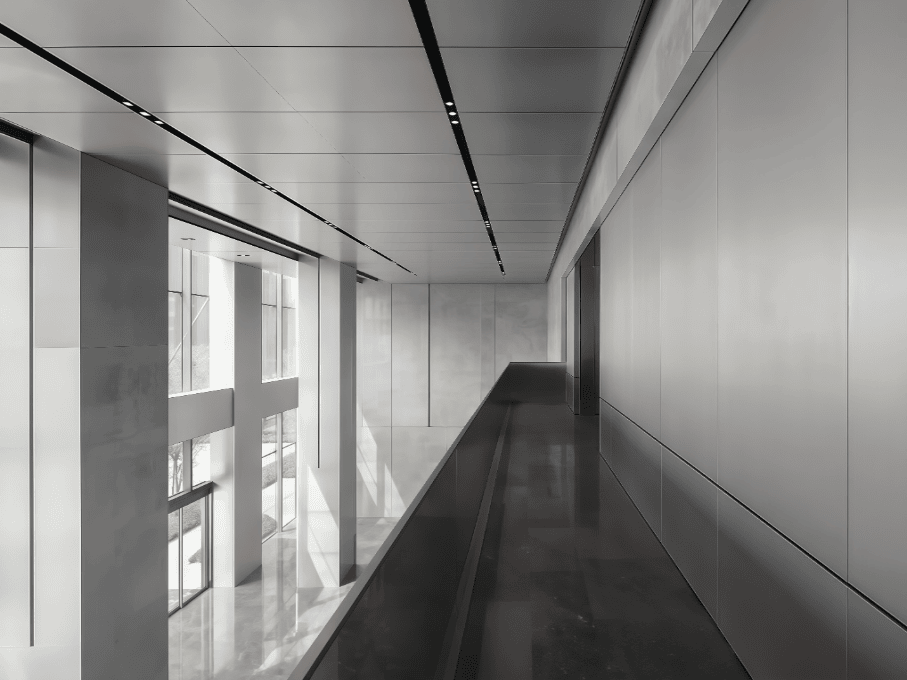
Metal interior wall panels bring together good looks, long-lasting quality, and practical function in one package. Whether you're working on a home renovation or a commercial build-out, understanding your options—from decorative metal wall panels to corrugated metal wall panels—helps you make smart choices. This guide walks you through everything you need to know about interior metal paneling for interior walls.
What Are Interior Metal Wall Panels?
Interior metal wall panels have changed the game for builders and designers looking for durable, attractive wall solutions. Let's break down what makes these panels worth your time.
Basic Definition and Features
Interior metal wall panels are thin sheets of metal designed specifically for indoor use. Unlike their outdoor cousins, these panels come with finishes and treatments that work well in climate-controlled spaces. They're lighter than you'd think—typical panel weights span roughly ~0.8–3.1 lb/ft² depending on material and gauge (e.g., ~0.99 lb/ft² for 1/16 in aluminum; ~1.6–3.1 lb/ft² for 20–14 ga steel)—making them easier to handle during installation.
Primary Material Options
You've got several solid choices when it comes to materials. Stainless steel leads the pack for durability, especially in wet areas like bathrooms and kitchens. Aluminum comes in next as a budget-friendly option that still looks great. For high-end projects, copper and brass bring warmth and character. Each material has its own personality and price point.
Core Performance Benefits
These panels don't just look good—they work hard. Most interior metal wall panels resist moisture, don't support mold growth, and clean up easily. They're also noncombustible under model building codes, which helps meet building code requirements. The metal surface reflects light, making rooms feel brighter and more open. And here's a bonus: they last for decades with minimal care.
Where They Work Best
You'll find metal paneling for interior walls in restaurants, retail stores, office lobbies, and modern homes. They shine in kitchens as backsplashes, in bathrooms as accent walls, and in living spaces as feature walls. Basically, anywhere you want a clean, contemporary look that holds up to daily wear.
What Types of Interior Metal Wall Panels Can You Choose?
The market offers plenty of options, each with its own strengths. Here's what you'll typically see.
Stainless Steel Wall Panels
Stainless steel wall panels are the workhorses of the metal panel world. They handle humidity, temperature changes, and heavy cleaning without breaking a sweat. You can get them in brushed, polished, or matte finishes. Grade 304 works for most indoor jobs, while Grade 316 is overkill unless you're in a seriously harsh environment. To see these panels in a high-end application, view our rose gold stainless steel project at the Pearl Oasis Luxury Resort.
Corrugated Metal Wall Panels
Corrugated metal wall panels add texture and depth that flat panels can't match. Those signature ridges create shadows and visual interest. They're popular in industrial-style spaces, breweries, and loft apartments. The corrugation also adds structural strength, so thinner gauge metal still performs well.
Aluminum Panels
Aluminum hits the sweet spot between cost and performance. It won't rust, weighs less than steel, and comes in tons of colors through anodizing or powder coating. It's softer than steel, so it might dent if you're rough with it, but for most applications, it's a smart pick.
Copper and Brass Options
These decorative metal wall panels bring warmth and luxury to a space. Copper develops a natural patina over time—some people love it, others prefer to maintain the original shine. Brass gives you that rich, golden look. Both cost more than steel or aluminum, but they make a statement.
Perforated and Textured Designs
Perforated panels let light and air through while adding pattern. They work great as room dividers or decorative accents. Textured panels—with patterns pressed or etched into the metal—add another dimension. For example, Ansus metal can provide custom perforation patterns, textures, and finish samples to align with your design intent.
How to Pick the Right Interior Metal Paneling for Interior Walls?
Choosing the right panels means matching your needs to what's available. Here's how to think it through.
Figuring Out Your Space Needs
Start by looking at where these panels will live. High-traffic areas need tougher materials. Wet spaces need corrosion resistance. Quieter spaces might benefit from acoustic considerations. Measure carefully—you'll need accurate square footage for ordering.
Matching Material to Function
Kitchens and bathrooms? Go with stainless steel wall panels—they handle moisture and are easy to sanitize. Living rooms and bedrooms work well with aluminum or decorative metals. Office spaces often use aluminum for its clean look and reasonable cost. Think about cleaning requirements too. Some finishes hide fingerprints better than others.
Understanding Budget and Value
Metal panels cost more upfront than drywall, but they last way longer. Budgetary pricing varies widely by alloy, thickness, finish, and market conditions; in general, aluminum panel systems are priced lower per square foot than stainless steel, while copper/brass carry premium—often substantially higher—prices. Request current, itemized quotes from suppliers for accurate comparisons. Suppliers like us, Ansusmetal, can quote aluminum, stainless, and decorative alloys side-by-side and send finish samples so you can compare true lifecycle costs.
Picking Colors and Finishes
Metal panels come in natural finishes (brushed, polished, matte) and powder-coated colors. Natural finishes show the metal's character but might require more maintenance. Powder coating adds color and protection. Brushed finishes hide scratches better than polished ones. Think about how finishes will look with your lighting.
With these basics covered, you're ready to dive into design details that make your project stand out.
What Design Elements Matter for Decorative Metal Wall Panels?
Getting the design right makes the difference between "nice" and "wow." Let's look at the key factors.
Pattern and Texture Choices
Patterns can go bold or subtle. Large-scale patterns make statements in big spaces. Smaller, repeating patterns work better in tight quarters. Texture adds touchable quality—smooth panels feel modern and sleek, while textured ones add warmth. Corrugated patterns create rhythm across a wall. In addition to solid panels, decorative metal mesh offers another layer of texture and transparency for unique interior applications.
Color Coordination
Even "plain" metal comes in different tones. Stainless steel reads as cool gray. Aluminum can be silvery-white. Copper is warm. When you add powder coating, the world opens up. Match or contrast with existing elements. Cool metals pair well with blues and grays. Warm metals complement earth tones and reds.
Lighting Considerations
Metal reflects light, and that changes throughout the day. Polished surfaces bounce light around, making spaces feel bigger and brighter. Matte finishes absorb more light for a subtle effect. Plan your lighting to work with, not against, your panels. Spotlights create drama on textured panels. Ambient lighting softens polished surfaces.
Panel Size and Layout Planning
Standard panels often come in 4x8 or 4x10 sheets, but custom sizes are available. Vertical installation makes ceilings look higher. Horizontal layouts emphasize width. Consider how seams will show—some designs hide them, others celebrate them. Plan around outlets and switches before ordering.
These design choices work together to create the look you're after. Take time to visualize the finished space.
FAQs
Q1. Can Decorative Metal Wall Panels Work in Homes with Kids and Pets?
Absolutely. Interior metal wall panels actually make great sense for busy households. The surfaces are tough enough to handle daily bumps and scratches—much better than drywall. They clean up easily with just soap and water, which is clutch when dealing with sticky fingers or muddy paws. Stainless steel and powder-coated aluminum resist staining and don't absorb odors. Just avoid sharp corners and edges during installation, and these panels will outlast your kids' childhood and probably your pets, too.
Q2. Does Interior Metal Paneling for Interior Walls Affect Room Temperature or Energy Costs?
Metal panels themselves don't provide insulation, but they don't hurt your energy efficiency either. They're thin and typically installed over existing walls or insulation, so your building's thermal envelope stays intact. The reflective properties can actually help distribute light better, potentially reducing your need for artificial lighting. Some people worry that metal feels cold, but at room temperature, properly installed panels feel neutral to the touch. If energy efficiency is a major concern, make sure your wall's insulation is up to par before adding panels.
Q3. How Long Do Corrugated Metal Wall Panels Typically Last Indoors?
Expect a multi-decade service life indoors; as a benchmark, industry references note that exterior single-skin metal wall panels can achieve long service lives when properly specified and maintained, with interior applications often lasting longer due to reduced exposure. Finish durability depends on system class rather than a fixed number; higher-performance powder/PVDF systems meeting AAMA 2604/2605 are validated by 5–10 years of South Florida outdoor exposure testing and commonly outlast those benchmarks in typical interior use. Many long-running commercial installations continue to perform well with routine cleaning.
Conclusion
Ready to transform your space with interior metal wall panels? Start by measuring your area and thinking through your priorities—looks, budget, and function. For a fast start, contact us to discuss material/finish options, request samples, or get an itemized quote. Your perfect wall solution is out here waiting.
Share:
Choose the Right Finish for Metal Mesh Facades
Sustainable Metal Treatment: Environmental Trends In Materials & Processes