
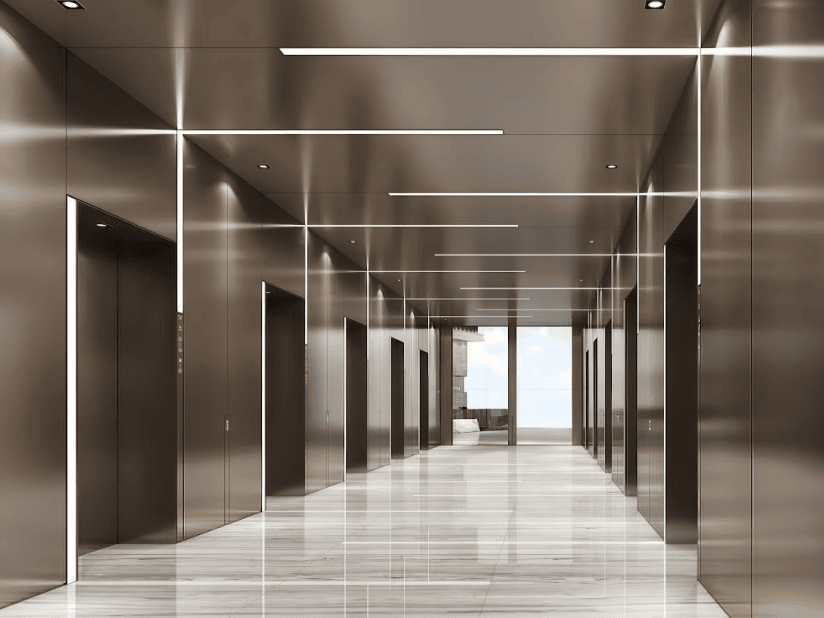
Choosing metal interior wall panels for commercial spaces is about fit. You match performance, look, and long-term cost with how the building really runs. Once you know where they work best, metal interior wall panels can turn hard-working corridors, lobbies, and service zones into clean, durable, and good-looking areas that stay that way with less effort.
What Are Metal Interior Wall Panels In Commercial Spaces?
Metal interior wall panels are factory-made metal sheets or cassettes fixed to a support system to create the finished interior wall surface. They can cover or replace painted drywall and are built for heavy use, frequent cleaning, and tighter fire or hygiene needs in busy commercial buildings.
Panel Types And Materials
Most systems use steel or aluminum skins. Single-skin panels are simple metal sheets on a framing grid. Insulated panels add a core that improves thermal or basic acoustic performance. Perforated metal panels combine small holes with sound-absorbing backing to calm echoes in large rooms. Durable coatings such as powder coat or high-performance paint protect the metal, add color, and help it stand up to cleaning chemicals.
For example, at Ansus Metal, we offer aluminum and stainless steel interior wall panels with different cores and finishes that are tailored to commercial interior projects.
Commercial Spaces And Zones
Metal interior wall panels perform best where walls take a beating or must stay very clean. Common locations include hospital corridors, elevator lobbies, airports, stadium concourses, schools, transit hubs, industrial interiors, and back-of-house retail areas. In these zones, carts, luggage, and daily mopping quickly age softer finishes, while metal panels tolerate bumps, splashes, and frequent wiping with less visible wear.
Comparison With Other Wall Materials
You can think of each wall finish as a different tool. Painted drywall is low-cost and easy to patch, but dents and scuffs easily. Wood paneling brings warmth yet demands careful maintenance. Fabric acoustic panels help with sound, but they damage quickly. Metal interior wall panels focus on durability, fire performance, and cleanability, so they are strong candidates for circulation, public, and service spaces that see constant use.
What Project Needs Matter For Metal Interior Wall Panels?
Before you specify metal interior wall panels, it helps to map how the building works day to day. Clear requirements keep you from over-designing quiet rooms and under-protecting high-risk areas.
Building Type And Safety
Building type sets priorities. Healthcare spaces care about hygiene and surfaces that handle disinfection. Schools and sports venues focus on impact resistance and easy repair. Offices and hotels pay close attention to first impressions and brand fit. Think about who touches the walls: kids, people using wheelchairs or walkers, staff pushing carts, or industrial workers. Add required fire ratings and life safety rules, and you get a baseline that any wall finish must meet.
Traffic Levels And Durability
Next, walk through the plan and rank each zone from light to heavy duty. A conference room does not need the same protection as a busy elevator lobby or loading corridor. In high-traffic paths, metal interior wall panels often pay off because they resist dents, scrapes, and repeated cleaning. In calmer rooms, simple painted walls or softer finishes can be enough. A short “duty map” helps explain why some zones get metal panels and others do not.
Fire, Sound, And Hygiene Needs
Many projects also face extra demands from codes or industry standards. Hospitals, labs, and food-related areas need smooth, non-porous, easy-to-wipe walls with tight joints, which suit metal skins. Some panel systems are part of tested fire-rated assemblies that help meet interior finish limits. If sound control matters, you can place perforated acoustic metal interior wall panels in select areas or combine solid metal with separate acoustic treatments. Always check that the full system, including backing and fasteners, matches the fire and hygiene expectations for that building type.
What Performance And Design Factors Matter For Metal Interior Wall Panels?
Once project needs are clear, you can look at how different metal interior wall panels perform and how they shape the space. Technical and visual choices should work together, not fight each other.
Panel Structure And Fire Rating
Panel structure is the starting point. Single-skin systems work well in many corridors and utility spaces. Insulated panels help where you want better thermal performance along the same wall. Perforated acoustic metal panels control echo in lobbies, atriums, or waiting areas while keeping a hard, cleanable surface. For each system, review fire test data and interior finish ratings, paying attention to coatings and substrates. When sound is a priority, look for published acoustic ratings so you know the impact on noise and reverberation.
Surface Finish And Color
Finish choice shapes both upkeep and mood. Smooth, light-colored coatings show dirt sooner yet wipe clean quickly. Dark matte finishes hide marks but can make narrow corridors feel more closed in. Brushed, embossed, or patterned surfaces change how light plays on the wall and can reduce how much small scuffs stand out. Sticking with a simple color palette across a portfolio of buildings makes maintenance easier and keeps brand presentation consistent in lobbies and other public areas.
Panel Joints And Brand Image
Panel size, layout, and joint details create much of the visual character. Large flat panels with tight joints feel calm and modern. Narrow panels or deeper reveals create rhythm and shadow along long walls. Horizontal layouts emphasize length; vertical layouts emphasize height. Many metal interior wall panel systems accept trims or integrated channels for lighting, signs, and wayfinding. When profiles, joints, and lighting line up with brand graphics, walls start working as part of the customer experience instead of acting as simple protection.
How Do Budget, Construction, And Maintenance Affect Metal Interior Wall Panels?
Even a strong technical option falls short if it clashes with budget, schedule, or operations. Looking at cost, build, and upkeep together helps owners see the full picture.
Upfront Cost And Lifecycle Cost
Key Points For Metal Interior Wall Panels:
Panels usually cost more at purchase than paint on drywall, but need less frequent repainting, patching, and replacement in tough zones.
Impact On Your Decision:
Compare the supply and install cost with the expected service life and repair work over ten to fifteen years. In busy or heavily cleaned spaces, metal interior wall panels can be a better value across the building’s life.
Installation And Schedule
Key Points For Metal Interior Wall Panels:
Systems need a true substrate plus framing or clips. Some panels snap in and can be removed for access, which helps in crowded ceilings and service areas.
Impact On Your Decision:
Coordinate early with the contractor and MEP trades. Clear drawings for joints, access doors, and cutouts let metal interior wall panels be installed late in the schedule without surprises.
Cleaning, Repair, And Upgrades
Key Points For Metal Interior Wall Panels:
Smooth metal surfaces can be cleaned with mild detergents when you follow coating guidance. Good systems allow single-panel replacement and even relocation.
Impact On Your Decision:
Ask how your maintenance team will clean and repair the walls. Choose metal interior wall panels that support quick panel swaps and reuse so future upgrades create less waste and disruption.
When budget, construction, and maintenance all line up, owners usually feel much more comfortable saying yes to metal interior wall panels in the zones that truly need them.
FAQS
Q1: Are Metal Interior Wall Panels A Good Choice For Sustainable Or Green Building Projects?
Metal interior wall panels can support sustainability goals when they use recycled content and are recyclable at the end of life. Many steel and aluminum products already include a significant recycled portion, and the panels are often suitable for scrap recovery instead of landfill. Long service life also reduces the need for frequent replacement, which lowers material and labor costs over time. If your project targets a certification, ask suppliers for Environmental Product Declarations and information on low-VOC coatings so the system fits the broader green strategy.
Q2: How Do Metal Interior Wall Panels Work With Digital Design And BIM Workflows?
Most major panel manufacturers now provide BIM families, CAD details, and coordinated joint layouts. Design teams can drop these into models to check clearances, align joints with doors and ceilings, and plan access panels. That level of detail helps catch conflicts with structure and building services much earlier in the process. It also lets owners and contractors see realistic views of the finished walls, which makes it easier to approve patterns, heights, and transitions before anyone orders material.
Q3: What Kind Of Warranty Is Typical For Metal Interior Wall Panels?
Warranties vary, yet many commercial metal interior wall panel systems offer multi-year coverage on finish performance and sometimes on panel integrity. Coverage often focuses on issues such as excessive chalking, fading, or peeling of the coating. Before you sign off, review what is included and what counts as proper cleaning and maintenance in the warranty language. Clarify who handles labor if panels need to be replaced. A clear warranty, tied to realistic care instructions, gives facility teams confidence that the system will hold up under normal use.
Conclusion
To reach a solid decision, narrow your options to a few metal interior wall panels that match performance needs and budget, then order real samples or a small mockup. Walk the space with the owner, facilities staff, and contractor, and talk through cost, installation, and upkeep in plain language. If you want a practical starting point, consider shortlisting AnsusMetal’s interior wall panel systems and requesting samples from our team so you can test how they perform in your own commercial spaces. Once everyone agrees the system fits how the building should work and feel, record that choice clearly in drawings and specs so the panels can be installed and start doing their job.
Share:
Sustainable Metal Treatment: Environmental Trends In Materials & Processes
Stainless Steel Feature Walls: Design Trends and Surface Treatments